Carbon Confidence Slips as Farmers Call for Clearer Guidance and Fairer Support
 Across more than 2,700 farms surveyed by the National Farm Research Unit in 2026, a clear message is emerging: carbon is becoming a bigger part of farming’s future, but confidence, clarity, and support are not keeping pace. Many of you are being asked to make decisions that affect your business, yet the guidance, funding, and leadership needed to move forward still feel uncertain.
Understanding Carbon: Interest Is High, Confidence Is Not
Compared with 2021, more farmers now say they don’t feel informed enough about carbon measurement. That number has risen from 45% to 54%, with livestock farms seeing the biggest jump. Even though more farms are actively measuring carbon, progress is uneven and mostly concentrated among mixed farms. At the same time, the number of farmers who are simply looking into carbon measurement has dropped sharply. This suggests that early curiosity has stalled, replaced by confusion about what to measure, how to measure it, and what the results will actually be used for.
Who to Trust? Some Regions Have Clear Leaders, Others Don’t
When it comes to advice, the picture varies widely across the UK and Ireland.
In Scotland, SRUC continues to be the most trusted source of carbon guidance, with 62% of farmers relying on it—unchanged since 2021.
In Ireland, TEAGASC remains the leading authority, trusted by around half of all farmers.
But in England and Wales, trust is far more fragmented. No single organisation stands out, and confidence in available advice is noticeably lower. With so many voices and no clear leader, it’s harder to know which guidance is reliable or relevant to your farm.
Who Pays for Carbon Measurement?
One of the biggest concerns is cost. More farmers now believe they will be the ones footing the bill for carbon audits, with uncertainty rising from 49% to 52%. Most do not expect government, processors, supermarkets, or private companies to cover the cost at scale. This leaves many of you questioning how carbon measurement fits into already tight margins—and what the return on investment will be.
A Sector Ready to Move, but Waiting for Clarity
Taken together, these findings show a farming sector that recognises the importance of carbon but is still searching for the clarity, leadership, and fair support needed to move forward with confidence. Until guidance becomes more consistent and funding more certain, many farmers will continue to feel caught between rising expectations and limited practical help.
FETF 2026 Grants Opened on 17 March: Funding Available for Productivity, Slurry and Animal Welfare Equipment
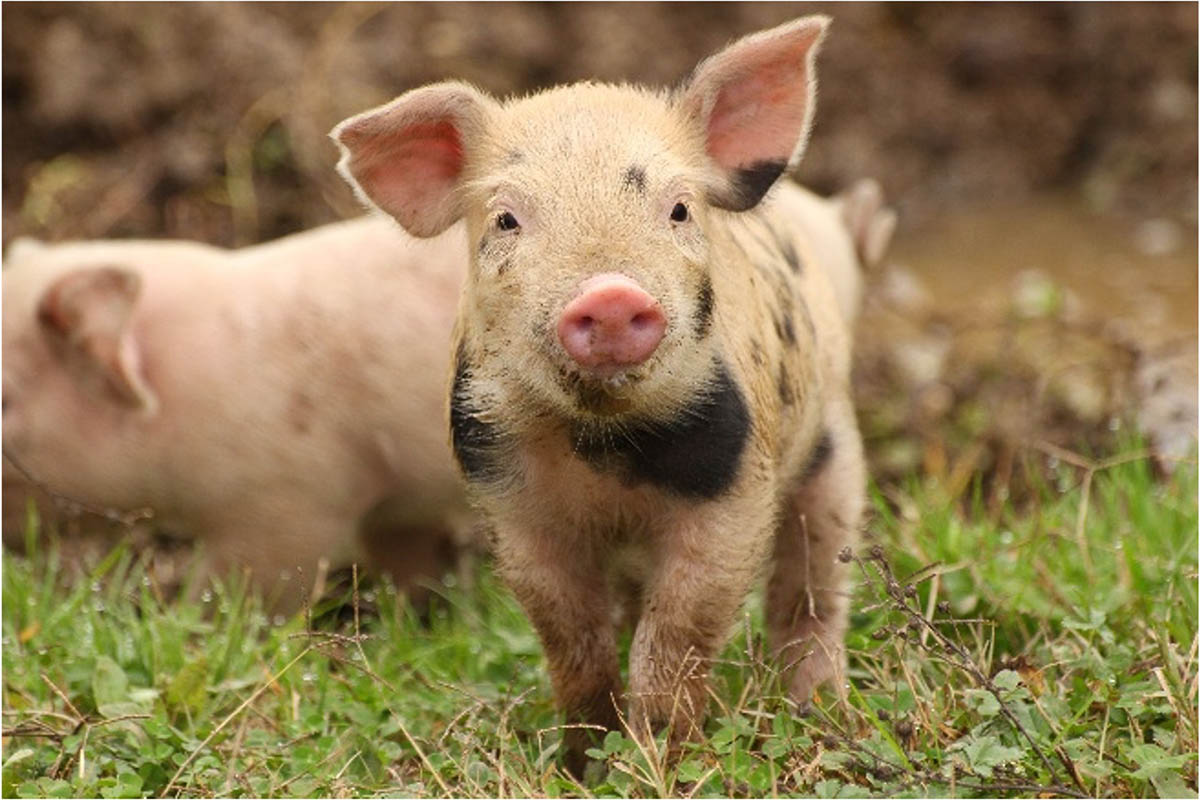 The Farming Equipment and Technology Fund (FETF) 2026 opened for applications on 17 March 2026, offering a new round of support to help farming and land‑based businesses invest in equipment that boosts efficiency, strengthens environmental management, and improves livestock health and welfare.
Delivered by the Rural Payments Agency, the scheme forms part of the wider Farming Investment Fund and is open to businesses based and registered in England. FETF 2026 is split into three grant themes, each designed to target a key area of on‑farm improvement. The Productivity grant supports items that enhance output, reduce labour requirements, or improve precision. The Slurry grant focuses on equipment that helps farms store, handle, and apply slurry more effectively, reducing pollution risks and nutrient losses. The Animal Health and Welfare grant provides funding for technology that improves monitoring, housing, and overall livestock wellbeing. Each theme offers grants ranging from £1,000 to £25,000, with applicants able to apply to more than one category if eligible. Those who can apply include farmers, horticulturalists, forestry owners, and contractors working with these sectors. Previous recipients of FETF or Countryside Productivity Small Grants may still be eligible. The Animal Health and Welfare grant is specifically available to farms with beef or dairy cattle, sheep, pigs, laying hens, or broiler chickens, including rearing and breeding units.
Applications must be submitted through the Farming Investment Fund service by midday on 28 April 2026. Full item lists, specifications, terms and conditions, and payment guidance are available online to help businesses prepare strong applications.
Each quarter we would like to take the opportunity to introduce you to one of our fantastic team of interviewers. This quarter’s spotlight focuses on Lisa

Why do you enjoy speaking with farmers?
The range of conversations I have on a daily basis is incredible. I get to hear about all the different ways people farm their land. All of the farmers I speak to are so down‑to‑earth; we have really good chats, and they often explain things I’ve never heard of before. Coming from a non‑farming background, nearly everything I know now has come from the amazing people I get to talk to.
From successes and failures to new ventures and hard times, I’m able to give them the chance to talk. I’ve cried with laughter with some farmers, and for others I’ve simply been a listening ear when they needed to vent. I enjoy talking to farmers because they are the lifeblood of our country.
What is it like working at the National Farm Research Unit?
Working for the NFRU has given me so much confidence, constantly expanding both my agricultural knowledge and my interviewing skills. It’s amazing to work for a company that supports its employees no matter the situation. They encourage me in every aspect of my working day, whether it’s trying something new or giving feedback on my projects.
About me
I spend almost all of my free time with my children. If I’m not working, I’m usually baking—my favourite thing to make is a lemon drizzle—gardening (I’m always proud of my home‑grown veg), or helping around my village. I get involved with fundraisers and events, and I even work with a few farmers on local projects.
Alongside all that, I’m a big quiz fan. I do a lot of fantasy games, pub quizzes, escape rooms, and mystery solving.
National Farm Research Charitable Donations
| Cumulative Donations since Oct 2018 | |
| RABI | £14,646.85 |
| RSABI | £1,852.61 |
| Forage Aid | £10,249.36 |
| Farming Community Network | £6,927.15 |
| Rural Support NI | £732.90 |
| Embrace Farm | 5028.00€ |
RABI - Freephone helpline on 0800 188 4444.
Email at
RSABI - Freephone 0808 1234 555
Forage Aid (Addington Fund) – Helpline 01926 620135
Farming Community Network – Helpline 03000 111 999
email
Rural Support – Helpline 0800 1381 678
Embrace Farm Ireland – Helpline Ireland 085 77 09 966
Our Support for Farmers
Farmers participating in our on-going research studies can gain valuable BASIS and NRoSO points. Simply give your BASIS number to our interviewer when they call to update your record. To claim your NRoSO points please log onto the website and enter code NO471443f
This code is valid for 12 months from the 1st September 2025


We are always pleased to receive your feedback, or if you would like to have your views and opinions heard by taking part in our research projects please email: